
How to Find New Hobbies After Quitting Porn — Rebuilding a Life Worth Living
By Mozzie | iQuitPorn.com
The evenings were the hardest part.
Not the mornings, when the decision felt fresh and the intention was strong. Not the afternoons, when work or movement or other people created enough noise to keep the quiet away. The evenings — specifically the two or three hours between dinner and sleep — were where twenty years of habit had lived. Where the ritual had begun, night after night, in the specific combination of alone, tired, and nothing else to do.
When I stopped, I did not just remove a behaviour. I removed the thing that had been filling that space. And the space, it turned out, was enormous.
This is what nobody tells you about quitting pornography. The addiction does not just take your time. It takes your identity as someone with things to do, interests to pursue, and a life that fills itself. The recovery does not just require abstinence. It requires reconstruction.
Finding new hobbies after quitting porn is not a nice extra. It is one of the most important things you will do in your recovery — and getting it right makes the difference between a recovery that holds and one that doesn’t.
Why Do You Need Hobbies to Quit Porn?
The question sounds almost trivial. Hobbies are what children have. Adults have responsibilities, obligations, things to manage.
But that framing is exactly the problem. The belief that adult life should fill itself with productivity and obligation, with no space for purposeful enjoyment, creates a vacuum that compulsive behaviour fills effortlessly.
Pornography addiction does not thrive in a full life. It thrives in an empty one. More specifically, it thrives in the specific kind of emptiness that arrives in the evenings — after the obligations are done, in the window between the day and sleep, when the brain’s dopamine system is scanning for something worth pursuing.
Without a replacement stimulus — something that genuinely engages your attention, produces real satisfaction, and gives the dopamine system a natural target — the vacuum pulls hard. The old habit is right there, familiar and reliable and immediately available. Willpower alone cannot hold the line indefinitely in a life that has nothing to fill the space the habit left.
Hobbies solve this problem neurologically, not just behaviourally. A genuinely absorbing hobby produces dopamine. It produces the sustained engagement that gradually recalibrates the brain’s reward system away from artificial stimulation and toward real, earned satisfaction. The brain that is building something, learning something, or mastering something is a brain that is healing — because it is exercising exactly the reward pathways that pornography had been hijacking.
The flatline — the period of low libido and emotional flatness that most men experience in early recovery — is shorter and less severe in men whose lives have genuine sources of engagement. Not because the hobby magically speeds up neurological recovery, but because engagement creates evidence that life without pornography contains things worth experiencing. That evidence is what keeps men in recovery when the flatline makes everything feel flat and pointless.
Why Is It Hard to Find New Hobbies After Quitting Porn?
Because pornography desensitises the brain to pleasure.
The dopamine downregulation that chronic pornography use produces does not only reduce your response to sexual stimuli. It reduces your response to everything. The brain that has been overstimulated by pornographic content has reduced its overall capacity to feel reward — which means ordinary sources of pleasure — hobbies, food, human connection, creative work — register less intensely than they should.
This is anhedonia, and it is one of the most demoralising features of early recovery. Men who try to find hobbies in the first weeks of abstinence often encounter a frustrating flatness. Nothing interests them. Things that used to feel engaging feel empty. They try a few things, feel nothing, and conclude that they are simply not someone who has hobbies.
They are not broken. They are desensitised. And desensitisation reverses — but it requires time and patience, and the willingness to pursue activities whose reward feels muted at first, trusting that the capacity for genuine engagement will return as the dopamine system recalibrates.
The key is to start before you feel like it. Not because the enthusiasm will be present from day one — it won’t. But because the act of doing something purposeful with your time, even when it feels unrewarding, is itself part of the rewiring. The resistance is not a sign to stop. It is a sign that the work is being done.
How Do You Find New Hobbies After Quitting Porn?
Go back before you go forward
The most reliable starting point for finding hobbies after quitting porn is not searching for new things. It is going back to the things you loved before the addiction took hold.
Every man who has been inside pornography addiction for years has a before. A version of himself that existed before the habit consumed his evenings — who played guitar, or ran, or built things, or cooked, or read, or drew, or played sport, or wrote. Something that mattered. Something that produced genuine satisfaction before pornography trained the brain to seek it elsewhere.
That thing is still available. And the familiarity of it — the way it sits in a part of the memory that predates the habit — makes it easier to re-enter than something entirely new.
Ask yourself honestly: what did I used to do with my evenings before pornography took them? What did I stop making time for? The answer to that question is your starting point.
I went back to reading. Not because it felt immediately rewarding — it didn’t, not at first. But because I remembered that it had once felt rewarding, and that memory was enough of an anchor to keep me returning to it until the capacity to enjoy it returned.
Use your hands
One of the specific recommendations that comes up consistently in men’s recovery accounts is the value of physical, hands-on activities — things that produce a visible result.
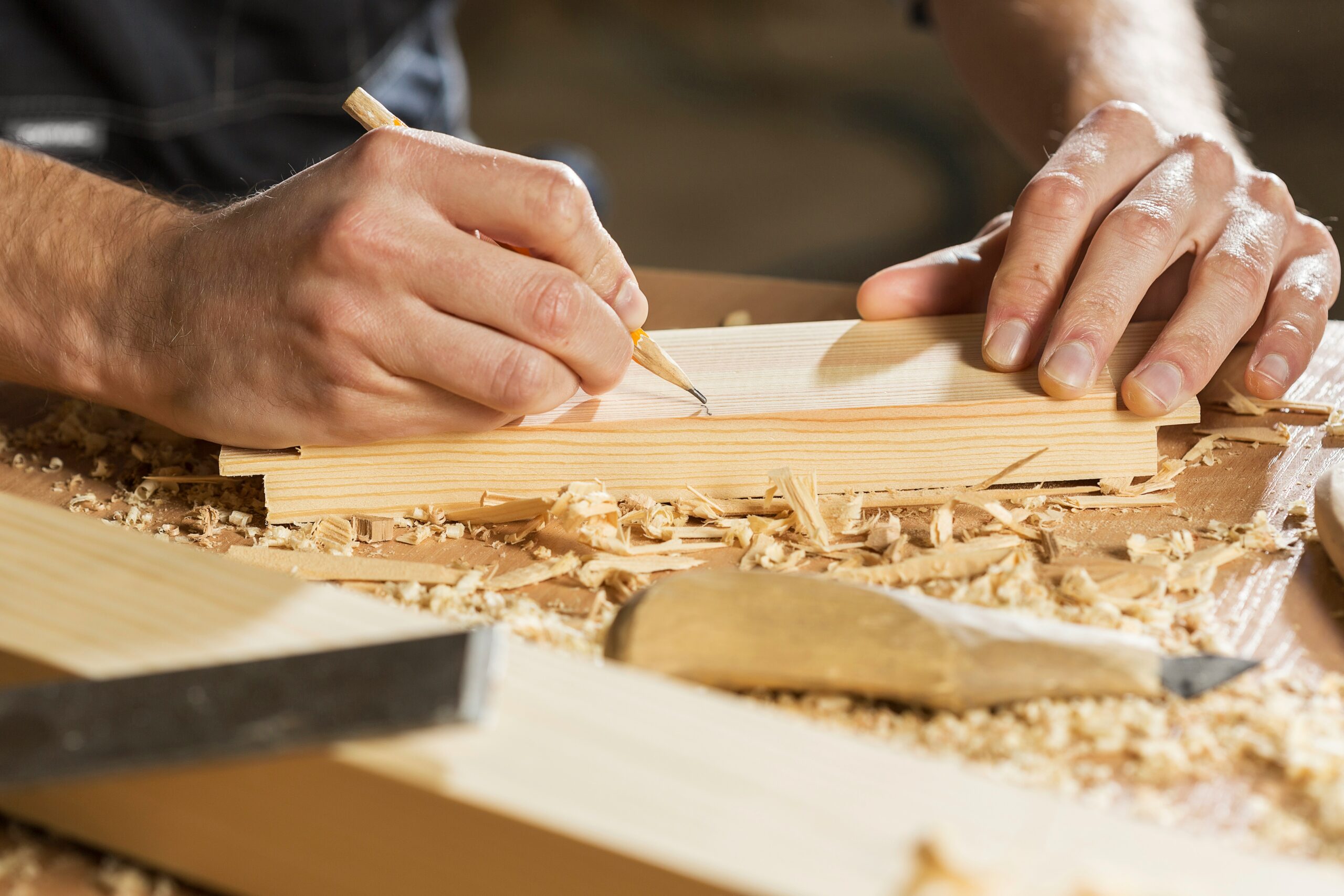
Cooking. Woodworking. Drawing. Building. Repairing things. Gardening. Any activity that involves taking raw material and producing something with your hands does something specific during recovery — it provides concrete, tangible evidence of productive time. When the evening has passed and you have made something you can point to, the experience of that evening is categorically different from the experience of an evening spent watching a screen.
The dopamine system responds to achievement. Small, visible, real achievements. A finished meal. A repaired shelf. A sketch completed. A plant watered and growing. These are tiny rewards by the scale of what pornography was delivering, but they are real rewards — and real rewards, repeated, are how the brain recalibrates its expectations.
Move your body
Exercise deserves special attention because it does two things simultaneously — it provides genuine dopamine and it depletes the physical restlessness that makes early recovery so uncomfortable.
The link between exercise and porn recovery is neurological, not motivational. Physical exercise increases dopamine, reduces cortisol, and improves sleep — three of the most important factors in both reducing cravings and surviving the flatline. Men who build consistent physical exercise into their recovery consistently report faster flatline resolution and more sustainable abstinence.
The specific exercise matters less than the consistency. Running, weightlifting, swimming, cycling, sport, yoga, martial arts — any sustained physical activity that pushes the body and requires presence will serve the purpose. The key is regularity. Not intensity, not performance — regularity. Three or four times a week, on a schedule, is more valuable to recovery than occasional intense sessions.
The added benefit of exercise as a hobby is the built-in structure it provides. A 7pm run on Tuesday, Thursday, and Saturday creates three fixed points in the week where the evenings are already spoken for — which means three evenings where the habit has less room to operate.
Build social hobbies deliberately
Pornography addiction thrives in isolation and withers in company. The social withdrawal that accompanies addiction — the preference for private activity over shared experience — is both a symptom and a driver of the habit.
Building hobbies that involve other people is not just about finding enjoyable activities. It is about rebuilding the neural pathways that connect human interaction with positive experience — pathways that pornography quietly erodes over time by providing a private substitute for real connection.
Team sports, group classes, clubs, creative communities, volunteering, local groups — any activity that requires showing up somewhere with other people creates social accountability, genuine human connection, and the specific kind of dopamine that comes from belonging.
This social connection is also one of the most powerful accountability structures available. A man who has committed to a running club on Wednesday evenings has an appointment. People expecting him. A reason to be somewhere. These commitments are not just enjoyable — they are structural barriers between the vulnerable evening hours and the old habit.
Create, don’t just consume
One of the most overlooked distinctions in hobby selection for recovery is the difference between creative and consumptive activities.
Watching films, playing video games, scrolling social media — these are consumptive activities. They provide stimulation from an external source and require little active engagement from the brain. In moderation they are not problematic, but for men in early recovery from pornography addiction, they occupy a neurologically similar space to the habit they are trying to leave. Passive reception of dopamine-stimulating content is what the brain has been trained to do. More of it, even in a different format, does not change the pattern.
Creative activities work differently. Writing, drawing, composing, building, cooking, gardening — these require the brain to produce rather than receive. The dopamine they generate comes from achievement and self-expression, not from passive stimulation. That is a fundamentally different neurological transaction, and it is the one that recovery requires.
This does not mean you can never watch a film or play a game. It means that when you are building the habit stack to replace pornography, weight the balance toward creation. Toward things you make, not things you watch.
What Are the Best Hobbies for Quitting Porn?
There is no universal list — the right hobbies are the ones that fit your life, your schedule, and your history. But based on what consistently appears in recovery accounts and what the neuroscience of reward supports, these are the categories that work best:
Physical movement — running, weightlifting, swimming, cycling, martial arts, team sport, yoga. Produces genuine dopamine, reduces cortisol, improves sleep, creates routine.
Creative and hands-on work — cooking, woodworking, drawing, writing, music, photography, gardening. Produces visible results, engages focused attention, generates earned reward.
Social and community activities — team sports, clubs, volunteering, classes, group learning. Rebuilds the neural pathways connecting human interaction with positive experience.
Learning and skill development — a new language, an instrument, a craft, a technical skill. Provides the sustained challenge that produces genuine engagement and progressive reward.
The common thread across all of these is active engagement. They require your attention, your effort, and your presence in a way that passive consumption does not. And it is active engagement — the brain actually working, building, and creating — that produces the neurological conditions for recovery.
How Long Before Hobbies Feel Genuinely Rewarding?
Honestly — it varies. For most men, the first two to four weeks of pursuing new hobbies feel flat. The anhedonia of early recovery mutes the reward. The activities feel like effort without return.
Most men who give up on finding new hobbies after quitting porn give up in this window — too early, before the dopamine system has had time to begin recalibrating. They conclude that they simply do not enjoy these things, when the accurate conclusion is that their brain’s reward system is temporarily impaired and needs more time.
The general experience of men who push through is that genuine enjoyment begins to return between weeks four and eight of sustained abstinence. Not dramatically — not a sudden flooding of enthusiasm. Gradually. A moment where something feels actually good. A project that generates real satisfaction. An evening that ends with a sense of having done something worth doing.
That moment arrives. Give it time to get there.
For the complete PIED and porn recovery roadmap — including what to expect at every stage — visit iQuitPorn.com/pied-recovery.
If you are struggling to stay abstinent long enough to give recovery a real chance, one-on-one accountability and coaching from someone who has navigated this from the inside is available at RiseNowRecovery.com.
The Life on the Other Side
I want to say something about what the reconstruction actually produces, because I did not know this when I started.
The hobbies I built during recovery are not just recovery strategies. They are the fabric of a life I am genuinely glad to be living. The reading that started as a way to fill evenings became a genuine passion. The physical exercise that started as a coping mechanism became a source of identity and vitality. The cooking that started as an alternative to sitting alone became a way of connecting with my family.
Pornography had not just taken my evenings. It had taken the version of myself who had things he genuinely cared about.
The hobbies brought him back.
Mozzie | iQuitPorn.com
Related reading:
- How to Stop Watching Porn — A Guide That Actually Works
- NoFap Benefits — What Really Happens to Your Mind and Body
- What Is the Porn Flatline? How Long It Lasts and How to Survive It
- Can I Quit Porn Cold Turkey or Do I Need Help?
- PIED Recovery — The Complete Roadmap from Day One to Full Healing

Mozzie spent 20 years trapped in pornography addiction before finally breaking free. Having experienced firsthand the devastating effects of PIED, relationship breakdown, and the long road to recovery, he created iQuitPorn.com to give other men the honest, practical guidance he wished he had. Every article on this site is written from lived experience — not theory.



Leave a Reply